Some games ask you to be patient. Nioh 3 asks you to be patient, precise, adaptable, stylish, and willing to get absolutely wrecked by a giant flaming oni before you’ve even figured out the menu system. And somehow, after a few dozen hours, you’ll love every second of it.
Released on February 6, 2026 for PS5 and PC, Team Ninja’s third entry in the Soulslike franchise is bigger, bolder, and more welcoming than anything the series has done before — while still being brutally, unapologetically hard when it wants to be.
The Quick Version
| Detail | Info |
|---|---|
| Developer | Koei Tecmo (Team Ninja) |
| Release date | February 6, 2026 |
| Platforms | PS5, PC |
| Price | $69 standard / $109 Digital Deluxe |
| Metacritic score | 86 |
| Genre | Action-RPG / Soulslike |
A Story That Actually Makes Sense (Mostly)
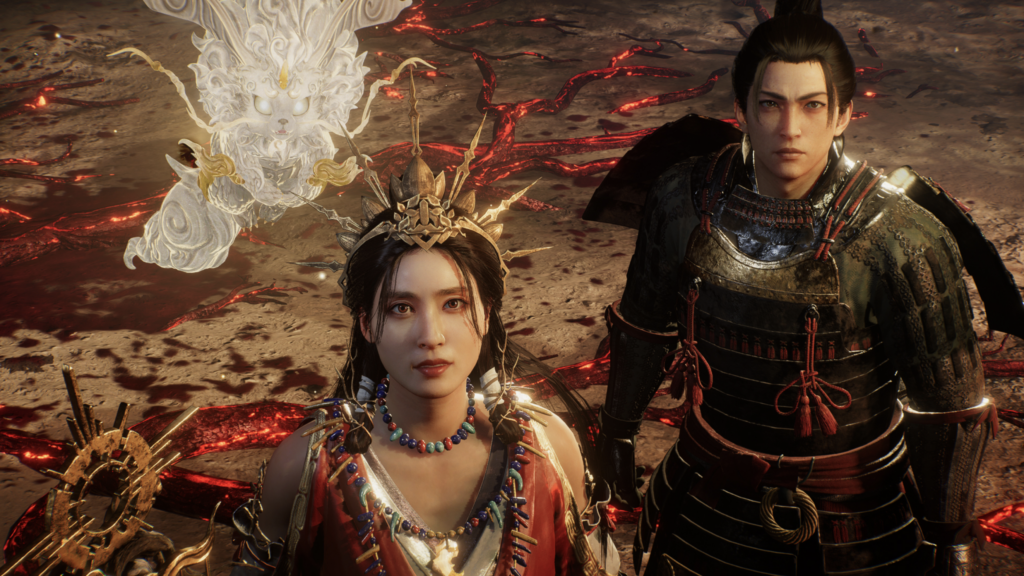
The plot follows a customizable 17th-century hero named Tokugawa Takechiyo, who is on the verge of being named Japan’s next Shogun. This does not go over well with his jealous older brother, who responds to the news by surrendering his soul to evil yokai and plunging the land into demonic chaos. Reasonable.
Because this darkness transcends time and space, stopping him means time-hopping across historical eras, from early antiquity to the 19th century, to remove its influence on corrupted history. It is Nioh meeting Assassin’s Creed meeting a fever dream, and it is a far more newcomer-friendly story than the previous entries. The time-jumping also gives the game excellent variety: just when one era’s environments start to feel familiar, you are off to the next one.
The Biggest Change: An Open World That Actually Works
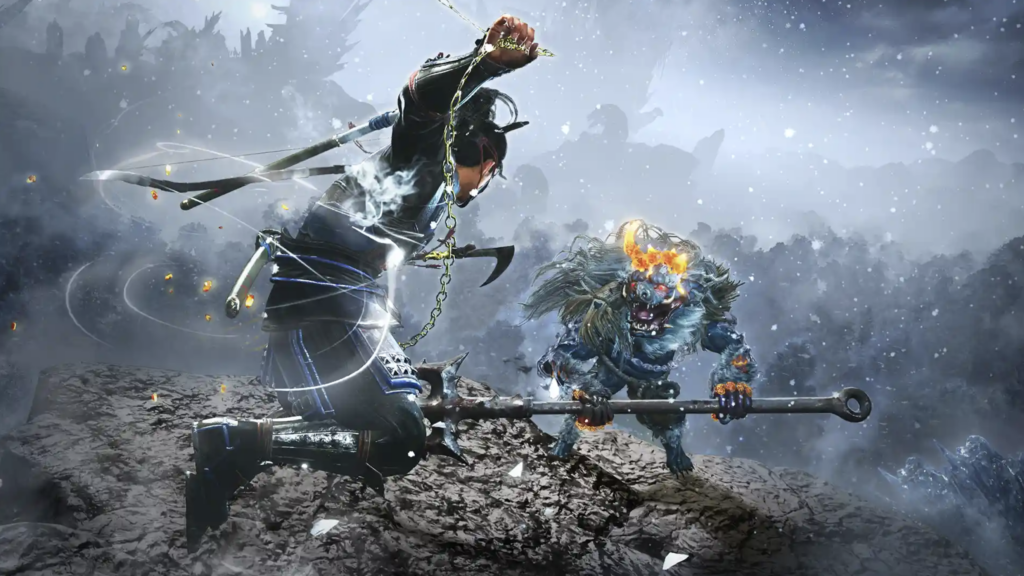
Nioh 3 makes the boldest structural change in the series’ history. Gone is the old mission-select screen; in its place are sprawling open-field regions that connect historical eras and reward genuine exploration. It is not a true open world in the seamless Elden Ring sense — the game is better described as a collection of large, interconnected zones — but it absolutely earns the comparison.
The exploration system is clever. When you enter a region, the map is a blank slate. Uncover it, and you unlock tiers of rewards: stat bumps, skill points, permanent passive perks, and — critically — icons showing you what you missed while passing through. Hidden Kodama spirits reward skill points, Jizo statues provide healing upgrades, and Crucibles (demonic challenge arenas tucked into each region) unlock fast-travel points and hidden shortcuts. A single landmass can take 15 to 20 hours to fully explore.
“Not since Elden Ring have I played an open-world game where I’m this desperate to see everything.” — Tom’s Guide
That is the smartest thing Nioh 3 does: it makes wandering worth your time without drowning you in meaningless checkboxes.
Combat: Still the Best in the Genre
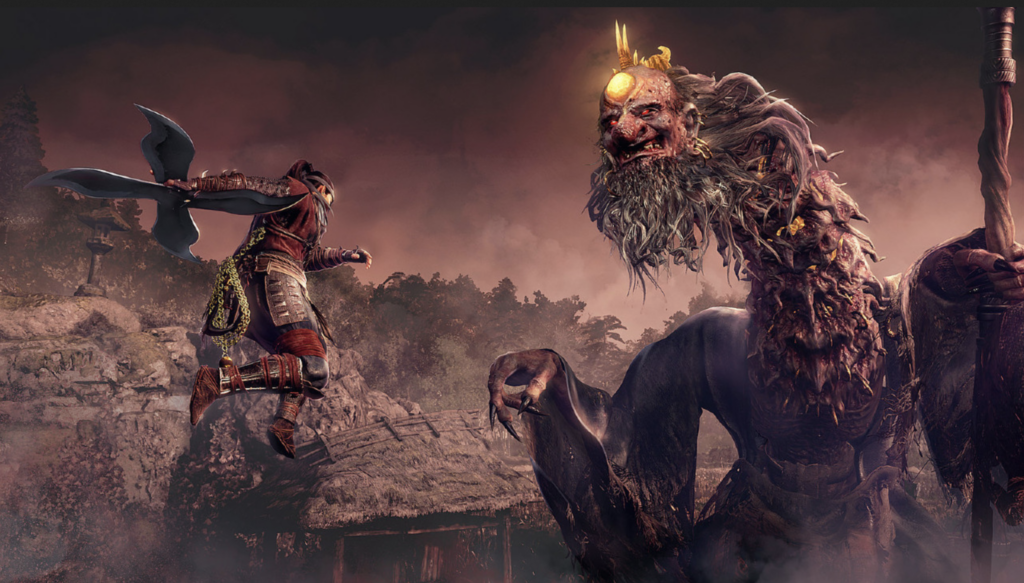
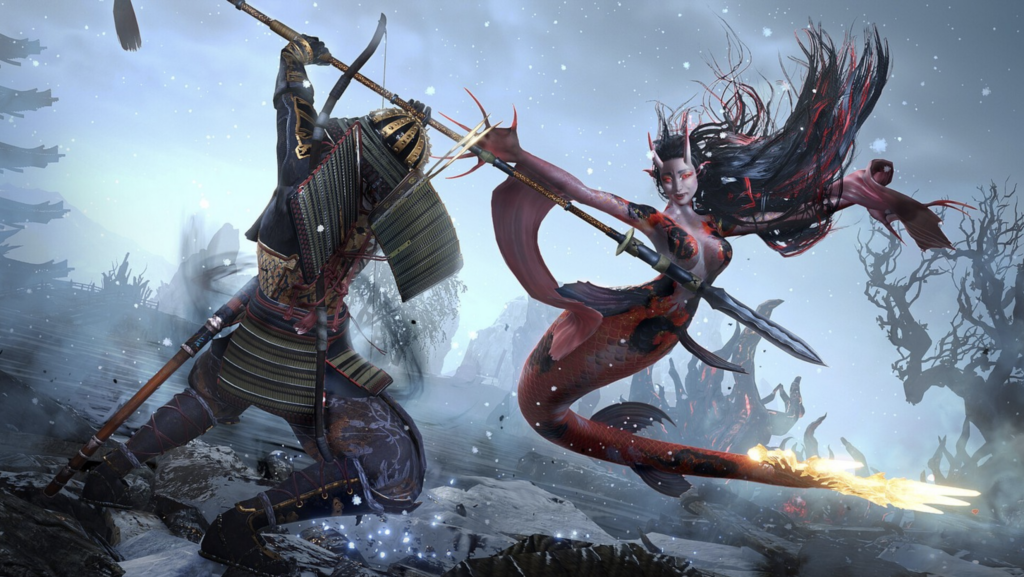
Everything else in Nioh 3 is built around its combat, and the combat remains extraordinary. The new Dual Path system is the headline addition: a single button press instantly switches between two completely different playstyles.
- Samurai plays like classic Nioh — deliberate, stance-based, heavy on Ki Pulse timing and precise parrying. Duels feel like chess matches played at high speed.
- Ninja is new to the series. It trades stances for speed, replaces deliberate weapon strikes with acrobatic combo flurries and ninja tools, and refills Ki far faster. It was inspired by the studio’s own Ninja Gaiden series, and it shows.
Both styles are fully viable for a complete playthrough, but the game rewards switching between them. The Burst Break mechanic — a powerful timed counter triggered by swapping styles right before a specific attack lands — is incredibly satisfying when it clicks, and gives every boss fight a second layer of depth beyond simple pattern recognition.
The jump mechanic, borrowed from Team Ninja’s Wo Long: Fallen Dynasty, adds vertical combat options that feel natural and genuinely change how certain encounters play out.
What Critics Are Saying
The review consensus is strongly positive across the board:
- Tom’s Guide called it “the first must-play game of 2026”
- PC Gamer said it is “one of the best Soulslikes yet”
- TheSixthAxis described it as “substantially better than the second one — an amazing Elden Ring-sized leap”
- GameSpot awarded it an 8/10 for “compelling new additions and refinements to its already excellent combat”
- Game Informer gave it one of its highest scores of the year, calling the ninja gameplay “a blast to play”
The loot system has also been meaningfully streamlined compared to Nioh 2, producing fewer but more impactful drops that reduce the notorious inventory management fatigue the series was known for.
Where It Falls Short
No review is worth reading without honest criticism, and Nioh 3 has a few genuine rough edges.
The open-world structure, while largely effective, can feel repetitive across multiple playthroughs. RPGFan noted that side quests start to feel like busywork after a while, with similar objectives repeating across regions. The world never fully breathes as a single living landscape — it is more a collection of zones than a cohesive realm.
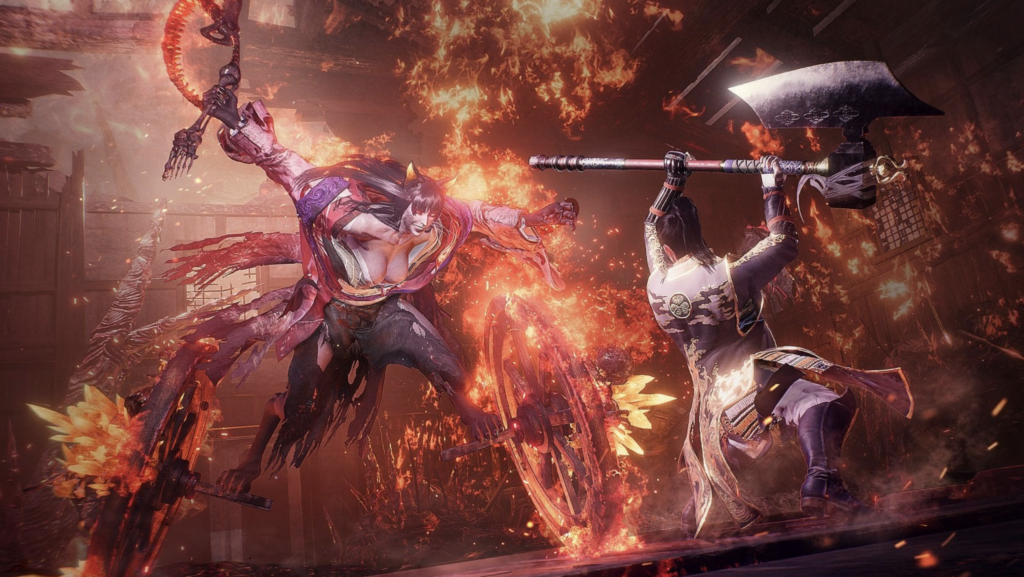
Boss variety has also drawn some criticism. While combat itself is excellent, several reviewers found the boss roster less memorable compared to Nioh 2’s highlights. And for players new to the series, the sheer volume of menus, systems, and upgrade options in the opening hours can feel overwhelming before the game’s rhythms finally click.

Is It the Best Nioh?
Yes — and it is not especially close. The open-world structure solves the most persistent complaint about previous entries (hitting a difficulty wall with nowhere to go), the Dual Path system adds genuine mechanical depth without removing anything that made the original combat special, and the jump mechanic gives Team Ninja room to design encounters in ways the series never could before. The platinum trophy requires around 80 hours of play, and the entire game is available in co-op.
For longtime fans of the series, this is the game you have been waiting for. For newcomers who bounced off Nioh 2 or found Elden Ring too cryptic, Nioh 3 is the most approachable entry point the franchise has ever offered — while still delivering exactly the kind of brutal, rewarding combat that made the series worth caring about in the first place.
Final Verdict
Nioh 3 is not a flawless game, but it is a genuinely great one. Team Ninja took a decade of player feedback seriously and built something that respects its audience’s time while still demanding their very best. The Dual Path combat system alone would have been enough. Everything else is a bonus.