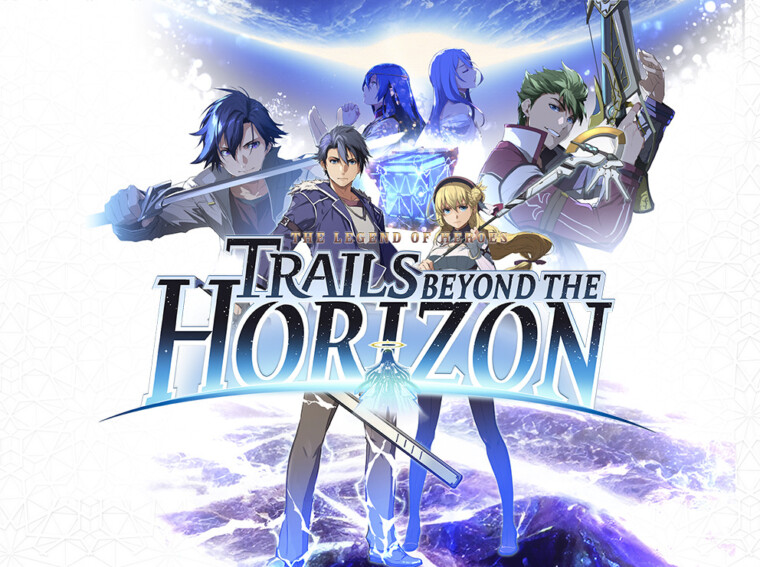
The Legend of Heroes franchise has always been about dense storytelling and layered world‑building. Trails Beyond the Horizon continues that tradition, offering a sprawling role‑playing game that serves as the grand finale of the Calvard arc.
Released worldwide on 15 January 2026, it brings together heroes from earlier games for one last, high‑stakes adventure. This review explores how the game’s narrative, combat systems, and presentation stack up for long‑time fans while acknowledging why newcomers may feel overwhelmed.
Quick Facts
| Aspect | Details |
|---|---|
| Release date | 15 January 2026 |
| Developer / Publisher | Nihon Falcom / NIS America |
| Platforms | PlayStation 5, PlayStation 4, Nintendo Switch 2, Windows PC |
| Genre | JRPG with hybrid action and turn‑based combat |
Story and Structure
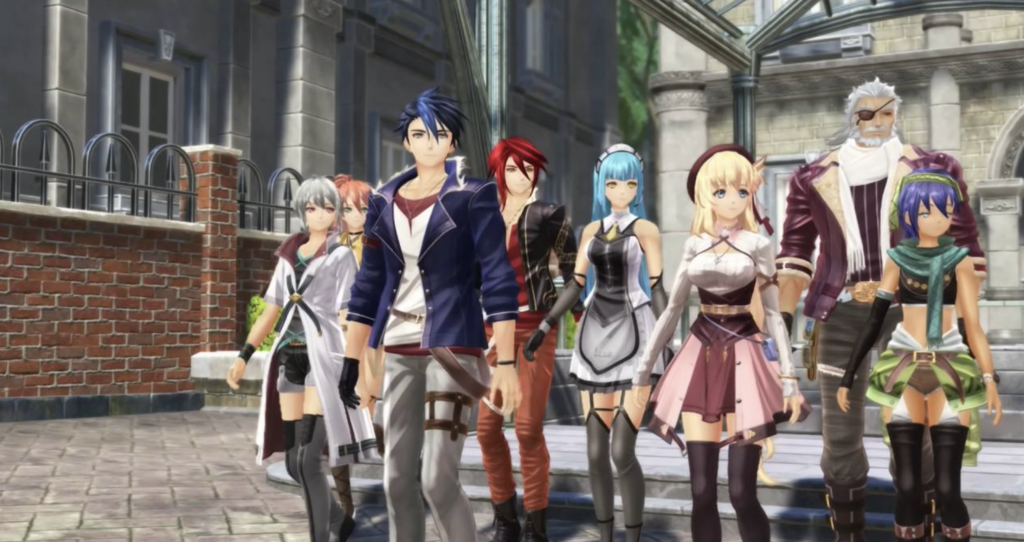
Trails Beyond the Horizon is the thirteenth mainline entry in the Trails saga, set immediately after Trails through Daybreak II. Players once again assume the role of spriggan Van Arkride alongside returning heroes like Rean Schwarzer and Kevin Graham, each leading their own narrative route. The story initially feels like a reunion tour; the early chapters reintroduce a huge cast of characters and important plot threads, which can make the pacing feel sluggish. After this slow build‑up, the narrative accelerates with political intrigue, mysterious space programmes and a plan to reverse the calamity threatening the continent.
The branching structure means you experience three separate campaigns. Van’s route dives into Calvard’s criminal underworld and side missions that tackle heavy themes like human trafficking and identity. Rean’s path offers military drama and glimpses of the empire’s response, while Kevin’s route investigates occult conspiracies. The game ties these threads together in a satisfying finale that rewards long‑time followers. However, the dense lore and callbacks to previous games make this entry unfriendly for newcomers; critics advise playing earlier titles to understand the cast and stakes.
Exploration is split between story dungeons and the Grim Garten, an optional labyrinth where you can assemble “dream teams” of characters and tackle combat‑focused floors for valuable loot and lore. While repetitive, this dungeon provides a welcome break from lengthy story scenes and helps level your party. Minigames like fishing, hacking and gambling return, and the law/chaos alignment system subtly influences dialogue choices.
Combat Evolution and Gameplay
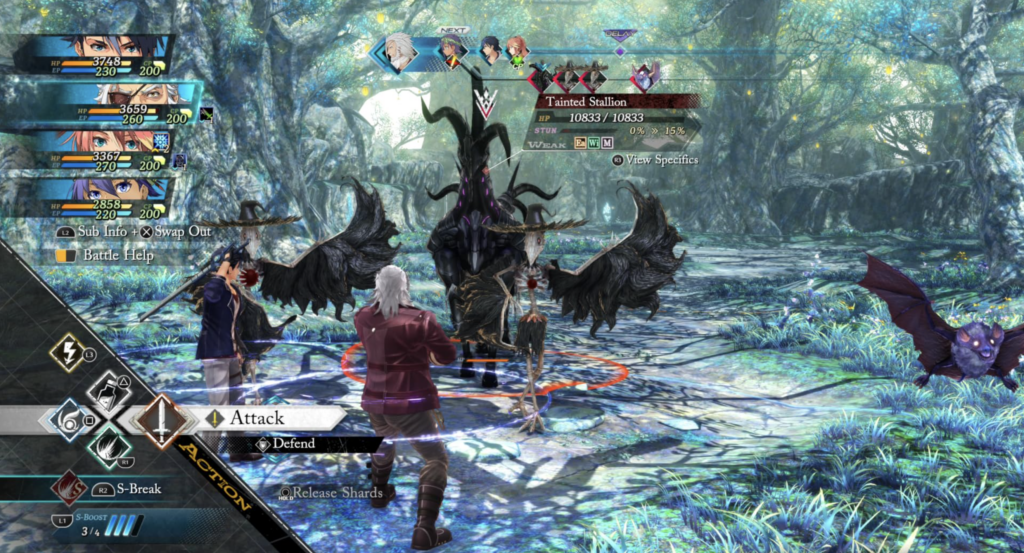
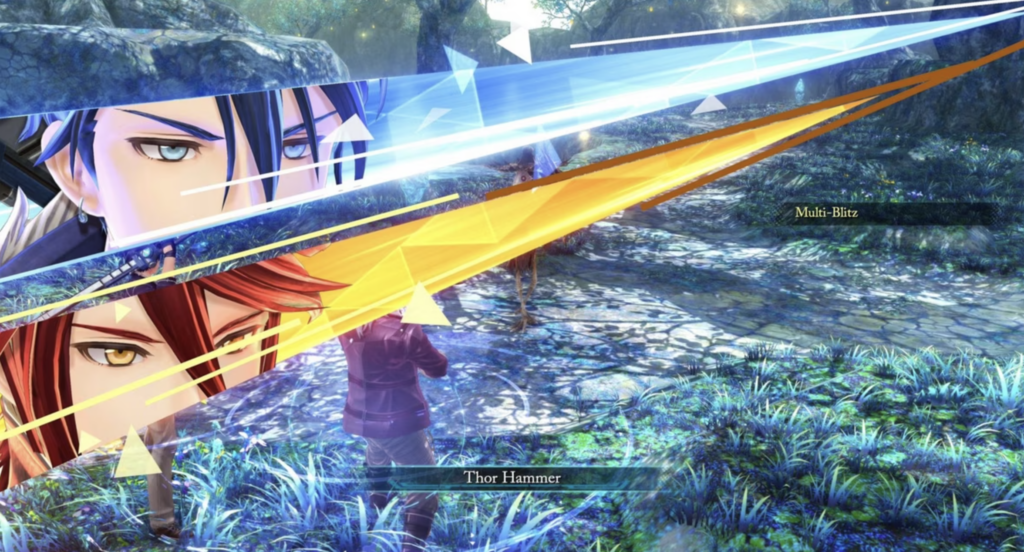
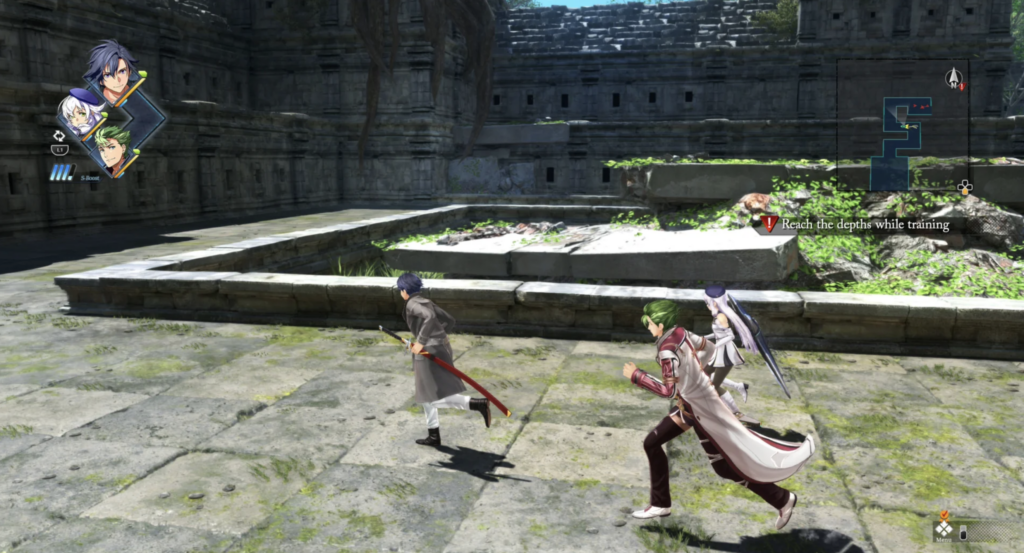
Combat in Trails Beyond the Horizon mixes real‑time action with turn‑based tactics. In the field, you can attack enemies directly and dodge their assaults. Once engaged, battles shift to a strategic command mode where you issue orders and unleash arts, crafts and burst attacks. New systems such as BLTZ Chains, Shard Commands and Zone of Control (ZOC) expand the tactical options, allowing characters to slow time or link for combo attacks. RPGamer praises how these mechanics add depth without unbalancing the classic turn‑based flow.
Real‑time combat sees further refinement. You can trigger Awakening to temporarily boost damage or enter a Grendel form for super‑powered actions. Critics note that these tools make field combat viable but not always faster than stunning foes and finishing them in command mode. The S‑Boost system lets you spend a meter to reposition or act multiple times, adding flexibility but also complexity. Overall, the combat remains engaging, though some reviewers feel the formula is starting to show its age.
Character builds are highly customizable. Orbments, Shard grids and loadouts allow you to tailor each party member’s role, encouraging experimentation with elemental arts and status effects. These options also make battles easier than in earlier entries; RPGFan observed that powerful Quick Arts, Awakening and ZOC can let players breeze through encounters. The optional Grim Garten dungeon offers a challenging space to test builds, with memento orbs revealing lore and side stories. While some players might find the dungeon repetitive, it provides necessary experience and equipment.
Presentation and Performance
Presentation is a tale of highs and lows. The soundtrack by Falcom’s in‑house musicians once again delivers memorable themes that range from melancholy piano melodies to upbeat battle tunes. Fully voiced cutscenes make key moments feel cinematic, and English voice performances are praised as some of the series’ best. Battles feature flashy new animations that rival those of the recent Trails in the Sky remake.
However, graphical fidelity lags behind other 2026 titles. Environments and non‑player characters sometimes look dated or rough, especially when compared to games built on Falcom’s newer engine. RPGFan noted minor glitches and a busy user interface that can make reading menus difficult on small screens. The game runs smoothly on PlayStation 5 and Switch 2, but some reviewers encountered a freeze during a specific boss fight that was resolved with a workaround.
Pros and Cons
What we liked
- Excellent narrative payoff: The story ties together years of Trails lore into a cohesive finale, delivering high‑stakes drama and heartfelt moments.
- Deep and flexible combat: New mechanics like BLTZ Chains, ZOC, S‑Boosts and Awakening add tactical depth while retaining the series’ turn‑based roots.
- Strong character development: Each route explores different themes, crime, politics and the occult, while giving returning characters meaningful arcs.
- Stellar music and voice acting: Falcom’s soundtrack and the English dub elevate key scenes.
What we disliked
- Not newcomer‑friendly: Without playing Daybreak I & II and other Trails titles, it’s hard to follow the plot.
- Slow opening act: The first dozen hours reintroduce a large cast and drag pacing.
- Dated visuals and UI issues: Environments look rough compared to modern RPGs; menus can feel cramped.
- Repetitive optional dungeon: The Grim Garten offers necessary leveling but can feel grindy.
Final Verdict
Trails Beyond the Horizon stands as a remarkable culmination of Falcom’s long‑running saga. For dedicated fans, it offers an emotional payoff with memorable characters, refined combat systems and a spectacular soundtrack. However, its dense lore and slow start mean newcomers will struggle to connect with the narrative.
While the game’s visuals lag behind other 2026 releases and some mechanics feel dated, the overall experience remains highly enjoyable. If you’ve journeyed through Daybreak and the earlier chapters, this finale is a must‑play. Those seeking an entry point into the Trails series should start elsewhere.